
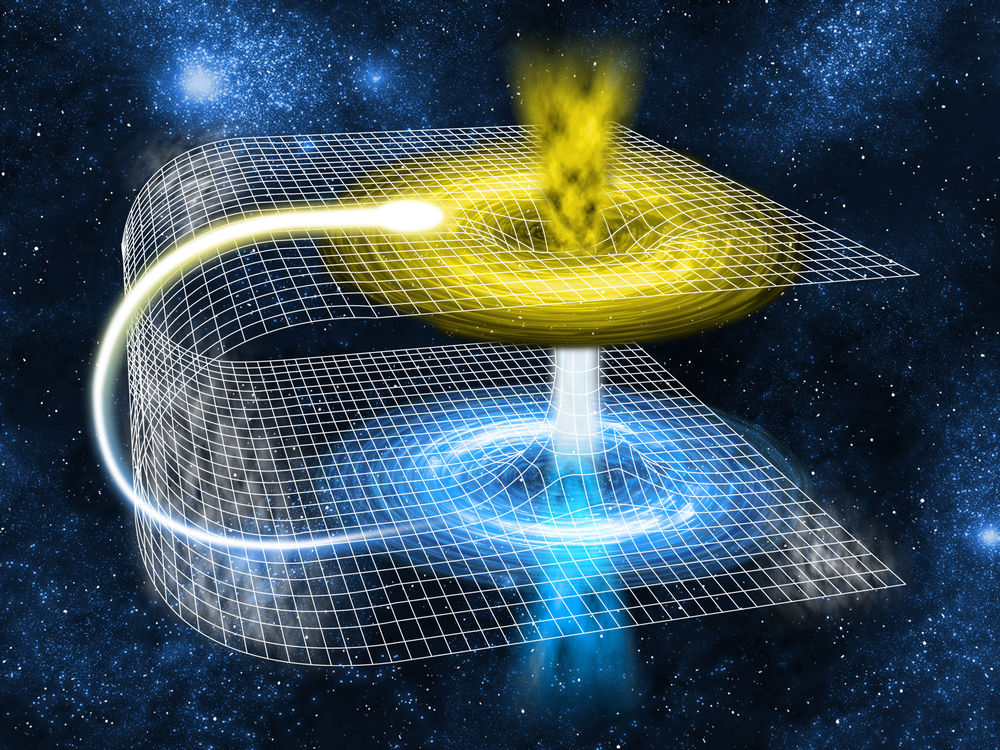

Introduction: What If This Isn’t the Only Life You’re Living?
Have you ever wondered how your life might have turned out if you had made just one different decision—chosen another career, moved to another country, or said yes instead of no?
The question at the heart of Multiverse Theory: Are You Alive in Another Universe? takes that curiosity to an extraordinary level.
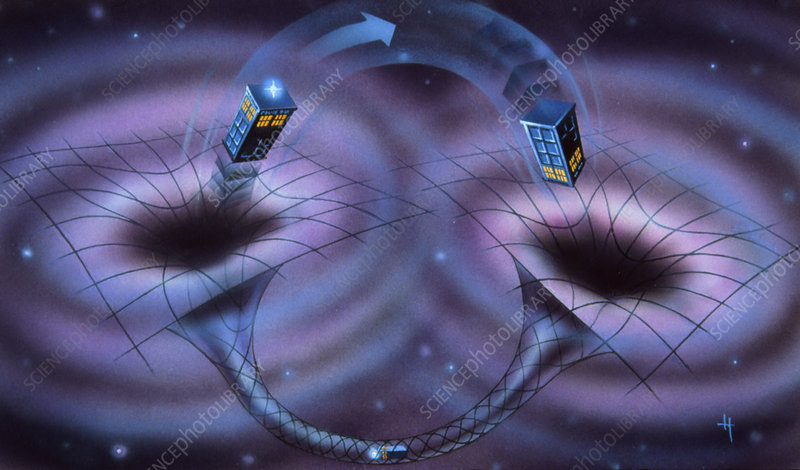
Modern physics suggests this idea may not be pure imagination. According to some leading scientific models, our universe could be just one of countless universes, each hosting different versions of reality—and possibly, different versions of you.
This article goes beyond surface-level explanations. We’ll explore the science, the skepticism, and the deeply human implications of the multiverse, blending research with fresh perspectives to help you decide: Is the multiverse a scientific breakthrough—or a beautiful illusion?
What Is the Multiverse Theory? (In Plain English)
The multiverse theory proposes that our universe is not unique. Instead, it is part of a much larger structure containing multiple universes, often called parallel universes or alternate realities.
Each universe may:
- Follow the same physical laws with different outcomes
- Operate under entirely different laws of physics
- Contain different versions of history—and people
In short, reality may be far bigger than what we can observe.
Why Scientists Take the Multiverse Seriously
Unlike many speculative ideas, the multiverse emerges naturally from well-established scientific theories. It wasn’t invented to sound mysterious—it appeared because mathematics and physics pointed there.
1. Quantum Mechanics and the Many-Worlds Idea
In quantum physics, particles exist in multiple states at once until observed.
One interpretation suggests that instead of collapsing into a single outcome, every possible outcome happens, each in its own universe.
That implies:
- Every decision branches reality
- Every “what if” actually occurs somewhere
This idea is widely discussed in academic physics literature and taught in advanced university courses.
2. Cosmic Inflation and Bubble Universes
Inflation theory explains how the universe expanded rapidly after the Big Bang. Some models suggest this expansion never truly stopped—it just slowed down in our region.
Elsewhere, expansion may have created bubble universes, each with:
- Different physical constants
- Different laws of nature
- Different possibilities for life
3. String Theory and Extra Dimensions
String theory attempts to unify all forces of nature. To work mathematically, it requires extra dimensions beyond space and time.
These extra dimensions naturally allow for the existence of multiple universes, making the multiverse less of a choice and more of a requirement.
Comparison: Single Universe vs Multiverse
📊 Key Differences at a Glance
| Aspect | Single Universe Model | Multiverse Model |
|---|---|---|
| Number of universes | One | Potentially infinite |
| Physical laws | Fixed | May vary |
| Alternate versions of you | Impossible | Possible |
| Explains fine-tuning | Weak | Strong |
| Testability | High | Currently limited |
This comparison highlights why the multiverse is attractive—it explains mysteries that single-universe models struggle with.
Are You Alive in Another Universe?
This is the question that captures imagination—and headlines.
According to some multiverse models:
- There may be countless versions of you
- Each version reflects different choices or random events
- Some versions live better lives; others face greater struggles
However, there’s a crucial limitation:
These universes cannot interact with ours—at least not with today’s technology.
So while another you may exist, you can never meet, observe, or communicate with them.
A Fresh Perspective: The Psychological Multiverse
Here’s a less-discussed angle:
Even without physical parallel universes, humans already live in a mental multiverse.
Every decision creates:
- A chosen path
- Multiple abandoned paths
Those paths shape our identity. The multiverse theory resonates deeply because it mirrors how the human mind works—constantly replaying alternate outcomes.
In that sense, the multiverse may be as much about understanding consciousness as it is about physics.
Is There Any Proof of the Multiverse?
What Supports It
- Strong mathematical consistency
- Compatibility with quantum theory
- Explains why physical constants appear finely tuned for life
What’s Missing
- No direct experimental evidence
- No way to observe other universes
- Difficult to falsify (a key requirement of science)
Because of this, some physicists argue the multiverse sits at the border between science and philosophy.
Common Misconceptions About Parallel Universes
Let’s clear up a few myths:
- ❌ “We can travel to parallel universes”
→ No scientific evidence supports this. - ❌ “Multiverse theory says anything is possible”
→ It’s constrained by mathematics and physics. - ❌ “Movies accurately represent the multiverse”
→ Most films exaggerate or oversimplify the science.
Why the Multiverse Theory Matters
Whether or not it’s proven, the multiverse forces us to confront big questions:
- Why does the universe exist at all?
- Why are physical laws so precisely balanced?
- What does it mean to be you?
Even if the multiverse turns out to be wrong, exploring it pushes science forward—much like early ideas about black holes or atoms once did.
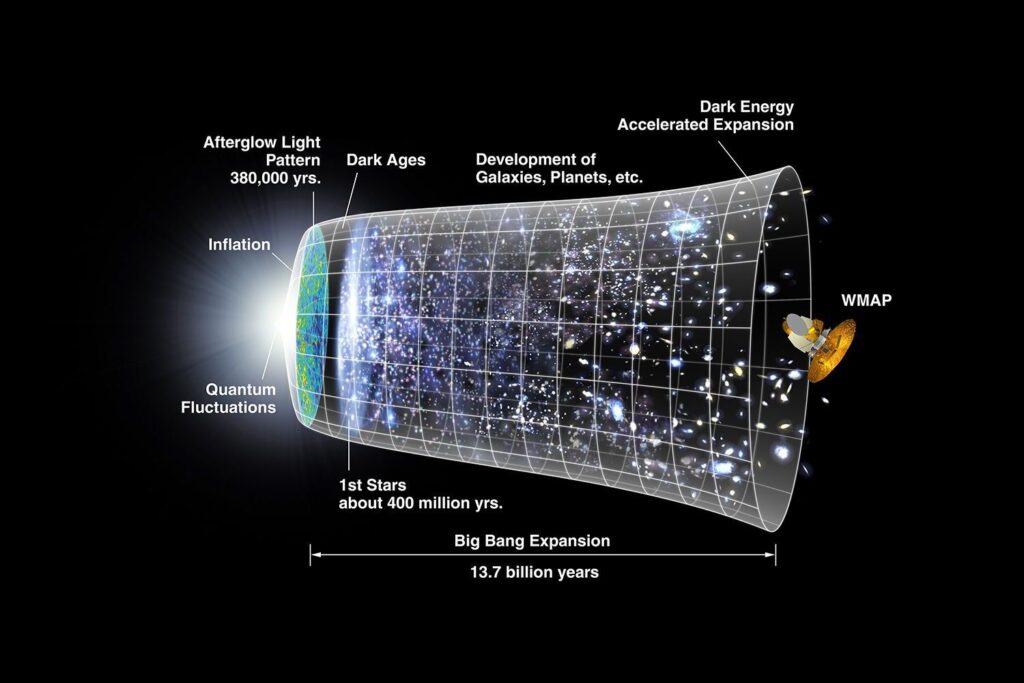
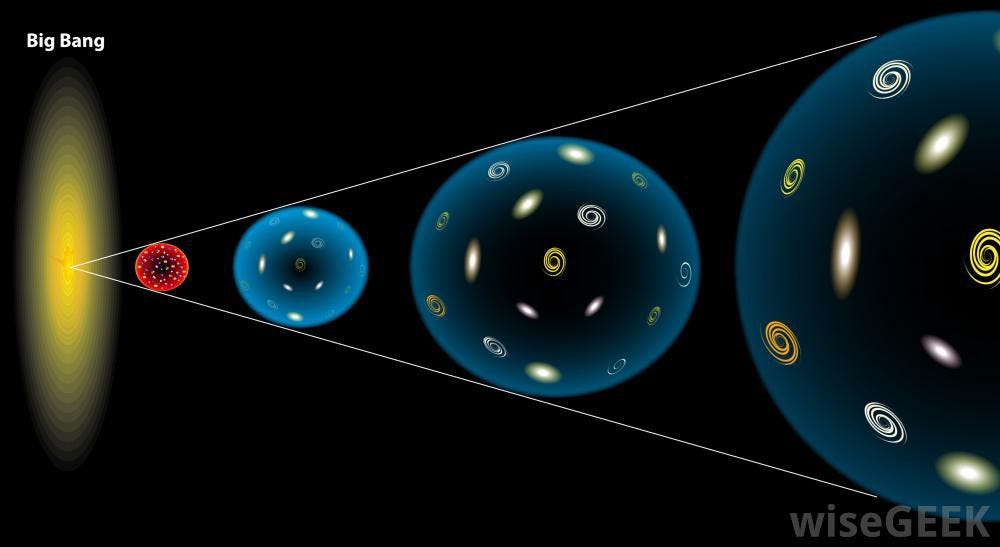
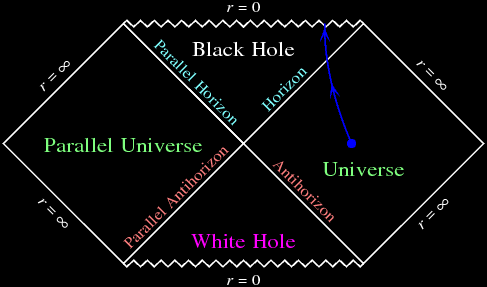
Visual models help translate abstract mathematics into something we can intuitively grasp—clusters of universes, branching timelines, and cosmic bubbles.
Key Takeaways (Quick Summary)
- The multiverse theory arises from serious physics, not science fiction
- Several independent theories point toward multiple universes
- There is no experimental proof yet
- The idea reshapes how we think about identity, choice, and reality
Conclusion: So… Are You Alive in Another Universe?
The honest answer is: We don’t know—yet.
The Multiverse Theory: Are You Alive in Another Universe? remains one of the most profound questions science has ever asked. It sits at the edge of what we can test, measure, and understand.
But perhaps its greatest value isn’t whether it’s true or false. It’s that it reminds us how vast reality might be—and how small our current understanding still is.
Strong Call-to-Action (CTA)
💬 What do you think?
Do you believe another version of you exists somewhere—or is this idea purely philosophical?
👉 Share your thoughts in the comments
👉 Explore our related articles on quantum physics, consciousness, and AI
👉 Subscribe to stay updated on mind-expanding science topics
Because sometimes, questioning reality is the first step toward understanding it.



Pingback: Dimensions Explained: Role in Science, Life, and the Universe - wordtopdf.click
Heard some buzzing about ‘play do it’ and decided to see what’s up. It’s legit fun! Perfect for when you’re just chilling. I spent hours there. Now Time to Play Do It play do it