


Introduction: Why AI Feels Different This Time
Not long ago, artificial intelligence felt like science fiction—something reserved for movies or research labs. Today, AI Innovations Shaping the Modern World are quietly influencing how we work, learn, shop, communicate, and even think.
What makes this AI revolution different is not just speed or scale—it’s accessibility. Tools that once required massive budgets are now available to students, freelancers, small businesses, and creators. I’ve personally seen AI move from a “nice-to-have” experiment to an everyday productivity partner in just a few years.
This article explores how AI innovations are reshaping the modern world—not in abstract theory, but in practical, human-centered ways.
A Quick Comparison: Then vs Now in Artificial Intelligence
Before diving deeper, let’s clearly understand how AI has evolved.
AI Evolution at a Glance
| Aspect | Traditional AI | Modern AI Innovations |
|---|---|---|
| Learning Style | Rule-based | Self-learning (ML & Deep Learning) |
| Data Handling | Limited datasets | Big data & real-time streams |
| Accessibility | Enterprise-only | Public & consumer tools |
| Adaptability | Static systems | Continuously improving |
| Human Interaction | Minimal | Conversational & intuitive |
This shift explains why AI feels more alive today—it learns, adapts, and interacts naturally.
Core AI Innovations Shaping the Modern World
1. Machine Learning: The Brain Behind Modern AI
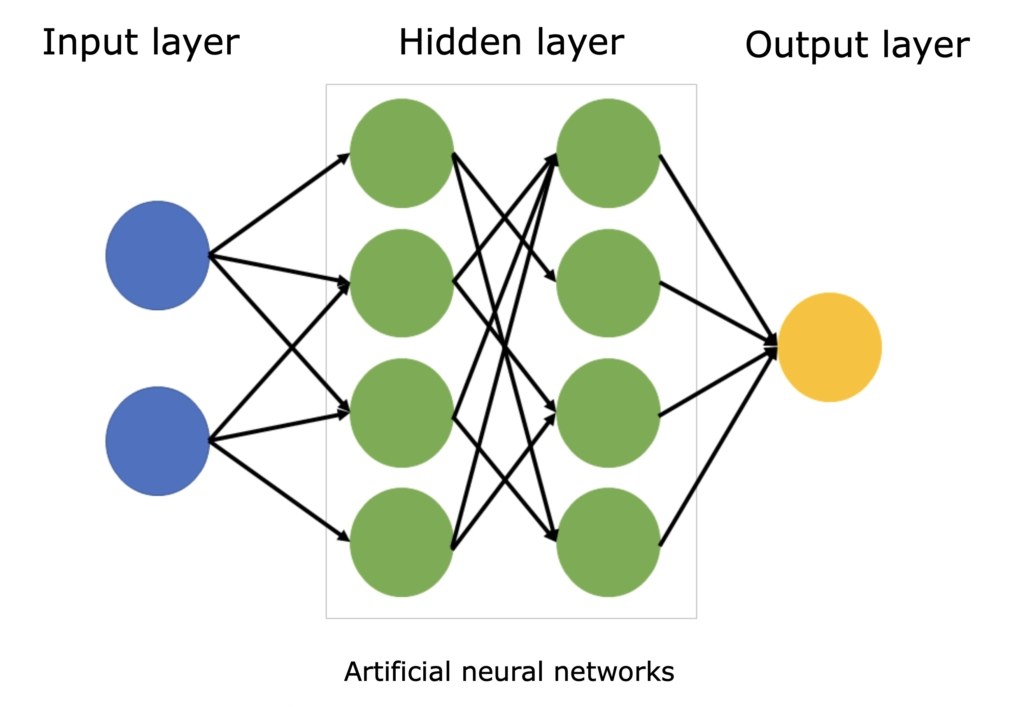
Machine Learning (ML) allows systems to learn from data rather than explicit programming. This is the foundation of most AI innovations shaping the modern world.
Real-world impact:
- Personalized recommendations on websites
- Fraud detection in banking
- Predictive maintenance in industries
- Smarter search engines
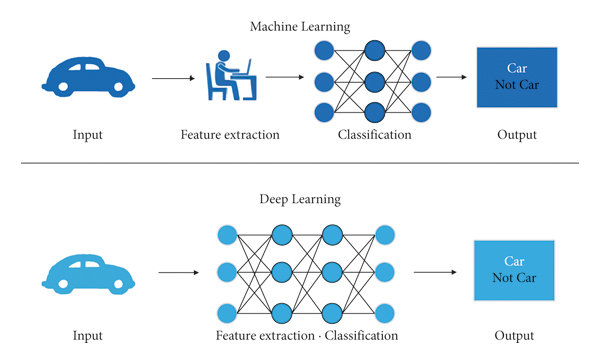
In my own work, ML-based tools have significantly reduced manual effort—tasks that once took hours now take minutes.
2. Generative AI: From Consumers to Creators
Generative AI doesn’t just analyze—it creates.
It can generate:
- Articles and summaries
- Images and designs
- Code and automation scripts
- Marketing content and ideas
This innovation is reshaping creativity. Instead of replacing humans, generative AI often acts like a creative amplifier—speeding up ideation while keeping humans in control.
Key insight:
The real value isn’t automation—it’s augmentation.
3. AI in Healthcare: Precision Over Guesswork
Healthcare is one of the most impactful areas where AI innovations are shaping the modern world.
Key breakthroughs include the following:
- Early disease detection through medical imaging
- AI-assisted drug discovery
- Personalized treatment plans
- Remote patient monitoring
AI doesn’t replace doctors—it gives them better vision and faster insight, especially in regions with limited medical resources.
4. AI in Business & Workplaces
Modern workplaces are increasingly AI-powered.
Common applications:
- Customer support chatbots
- Sales forecasting
- Inventory optimization
- Automated reporting
From personal experience, AI has shifted work from repetitive execution to strategic thinking. Teams now focus more on decisions, not data collection.
Productivity Shift
- Less manual work
- Faster insights
- Smarter decisions
5. AI and Human Creativity: A New Relationship
One common fear is that AI will kill creativity. In reality, it’s changing how creativity happens.
AI supports creativity by:
- Generating rough drafts and concepts
- Enhancing design workflows
- Speeding up editing and iteration
Creativity is no longer blocked by technical skill alone—ideas matter more than tools.
Ethical & Social Challenges of AI Innovation
No discussion on AI innovations shaping the modern world is complete without addressing risks.
Key concerns:
- Data privacy
- Algorithmic bias
- Job displacement
- Over-reliance on automation
The challenge isn’t stopping AI—it’s guiding it responsibly. Ethical AI design, transparent systems, and human oversight are critical.
How AI Is Changing Everyday Life (Without Us Noticing)
AI is no longer loud or obvious—it’s subtle.
You see it when:
- Maps predict traffic
- Apps auto-enhance photos
- Emails sort themselves
- Smart devices learn your habits
This invisibility is a sign of maturity. The best technologies fade into the background while improving life.
Future Outlook: Where AI Innovations Are Headed
Looking ahead, AI will focus on:
Key Future Trends
- Human-AI collaboration (not replacement)
- Emotion-aware AI systems
- Smarter automation for small businesses
- Sustainable and energy-efficient AI models
The next phase of AI innovation will prioritize trust, transparency, and usefulness over raw power.
Key Takeaways at a Glance
| Area | AI’s Impact |
|---|---|
| Healthcare | Faster, more accurate diagnosis |
| Business | Data-driven decisions |
| Creativity | Idea acceleration |
| Education | Personalized learning |
| Daily Life | Convenience & efficiency |
Conclusion: Understanding the Moment We’re Living In
AI Innovations Shaping the Modern World are not a distant future—they are the present. What makes this era unique is not just technological progress, but how deeply AI is integrating into human life.
The real question isn’t whether AI will shape the future—it’s how consciously we choose to use it.
Those who learn to work with AI will shape the next decade.
Those who ignore it will struggle to catch up.
Call to Action (CTA)
💡 What’s your experience with AI so far?
Have these innovations helped you work smarter or think differently?
👉 Share your thoughts in the comments
👉 Explore our related articles on emerging technologies
👉 Subscribe for deep-insight tech content that goes beyond hype



Pingback: Healthcare Innovations - Top Breakthroughs Transforming Medicine - wordtopdf.click