

Introduction: The Science Behind Human Dormancy
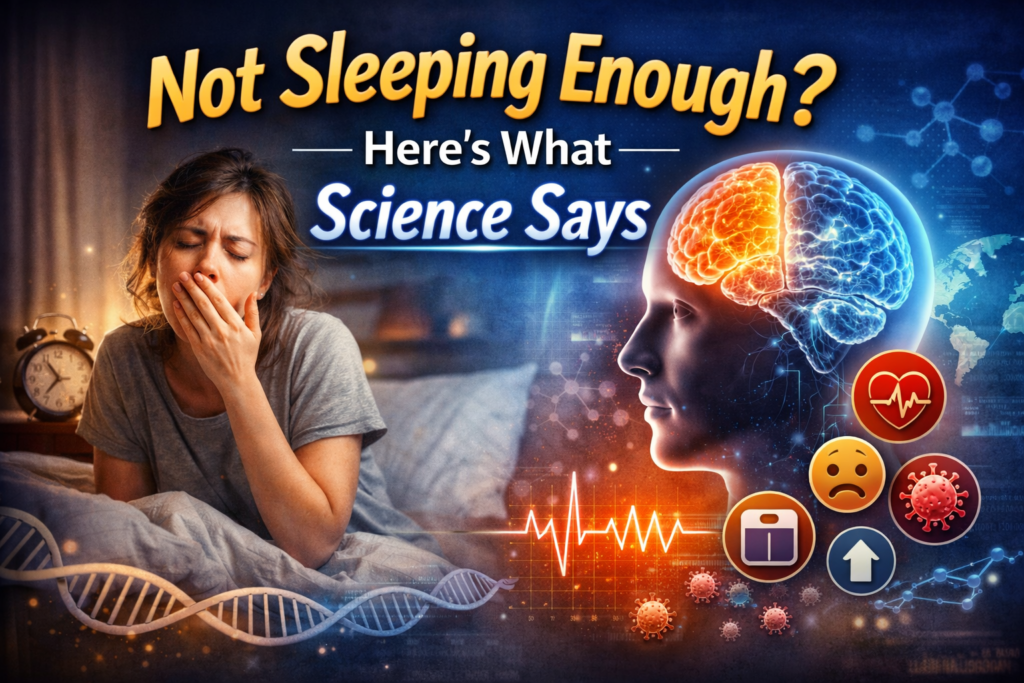
Not Sleeping Enough? Here’s what science says—and it’s probably more serious than you think. Most of us treat sleep like a luxury. We sacrifice it for work deadlines, scrolling, binge-watching, or “just one more episode.” I used to believe I could “catch up” on sleep during weekends—until constant fatigue, brain fog, and mood swings became my normal. Science tells us this isn’t just tiredness; it’s a biological warning sign.Sleep is not passive rest. It’s an active biological process essential for memory consolidation, hormone regulation, immune defense, and cellular repair. When we don’t sleep enough, the body doesn’t simply feel tired—it begins to malfunction. Let’s break down what actually happens inside your body when sleep is compromised, using research-backed insights, practical comparisons, and real-world implications.
Why the Body Needs Deep Rest to Function Properly

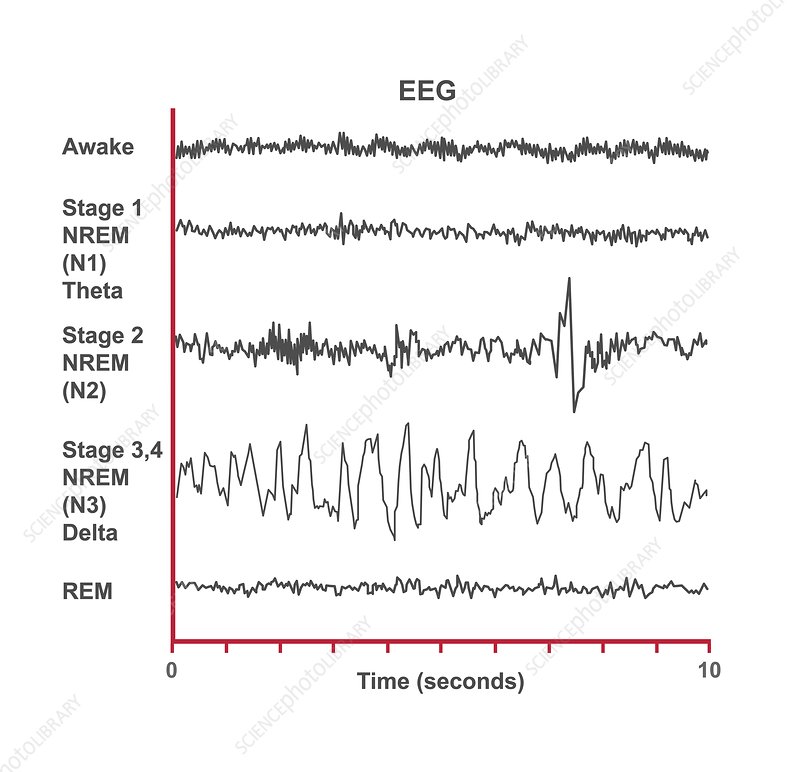
Sleep occurs in cycles lasting about 90 minutes, moving through:
- Non-REM Sleep (Stages 1–3) – physical repair, tissue growth, immune strengthening
- REM Sleep – memory, learning, emotional regulation
According to research published in Nature Reviews Neuroscience, deep sleep helps flush metabolic waste from the brain via the glymphatic system—including beta-amyloid proteins linked to Alzheimer’s disease.
👉 Key insight: Missing sleep means your brain literally fails to “clean itself.”
Sleep Deprivation vs Healthy Sleep (Quick Comparison)
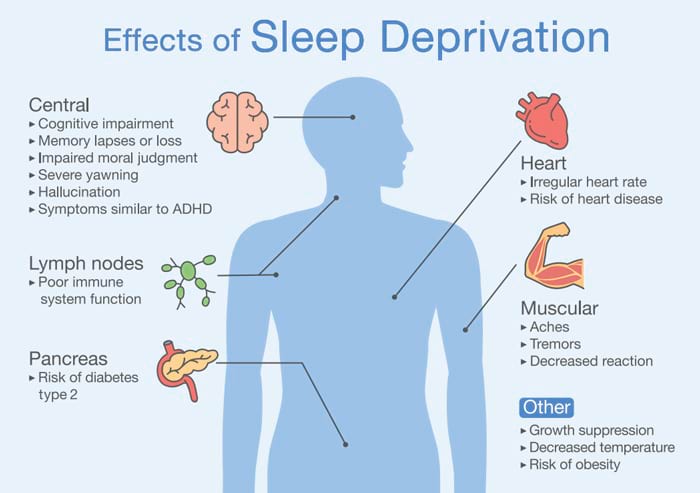
| Function | Healthy Sleep (7–9 hrs) | Sleep Deprivation |
|---|---|---|
| Brain Performance | Sharp focus, strong memory | Brain fog, poor decisions |
| Immune System | Strong infection defense | Higher illness risk |
| Hormones | Balanced hunger & stress | Weight gain, high cortisol |
| Mental Health | Emotional stability | Anxiety & depression |
| Heart Health | Normal BP & heart rate | Hypertension risk |
How Lack of rest Affects Your Brain
Sleep deprivation primarily damages the prefrontal cortex, the area responsible for:
- Decision-making
- Impulse control
- Emotional regulation
Studies from Harvard Medical School show that even one night of poor sleep reduces cognitive performance similar to mild alcohol intoxication.
Personal insight: After weeks of restricted sleep, I noticed I wasn’t “thinking slower”—I was thinking wrong. Poor decisions felt logical in the moment.
Hormones, Weight Gain & Metabolism
When sleep drops, hunger hormones go haywire:
- Ghrelin increases → you feel hungrier
- Leptin decreases → you don’t feel full
According to the National Institutes of Health, chronic sleep deprivation is directly linked to obesity and insulin resistance—even without dietary changes.
Translation: Your body stores fat not because you eat more—but because sleep loss alters metabolism.
Immune System Breakdown: Why You Get Sick More Often
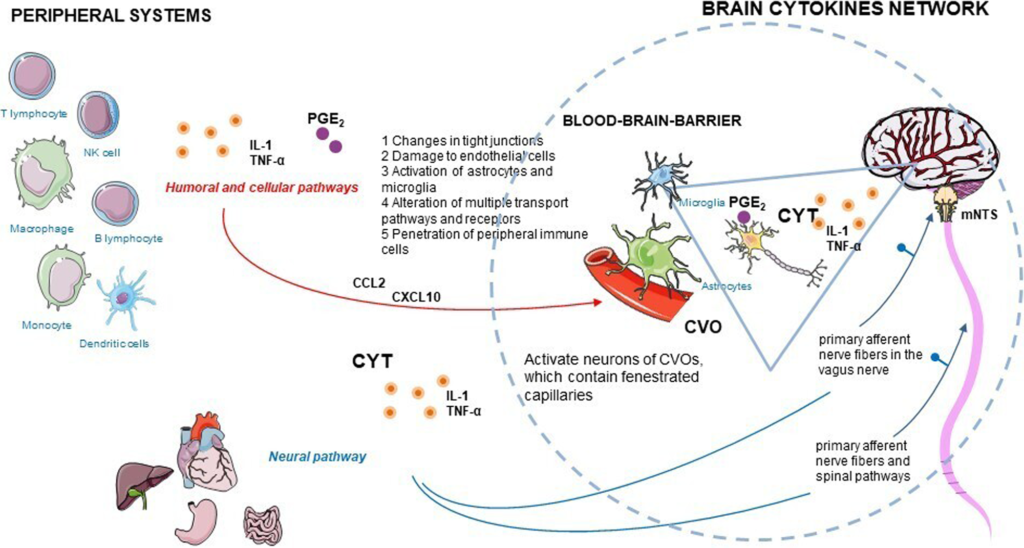
Sleep strengthens immune memory. Research published in Sleep Journal shows that people sleeping under 6 hours are 4x more likely to catch viral infections compared to those sleeping 7–8 hours.
During deep sleep:
- White blood cells improve pathogen recognition
- Inflammatory markers decrease
Without sleep, immunity weakens—even vaccines become less effective.
Mental Health & Emotional Stability
Lack of sleep doesn’t just worsen anxiety and depression—it can cause them.
The American Psychological Association reports that chronic sleep deprivation:
- Amplifies negative emotional responses
- Reduces emotional resilience
- Increases risk of mood disorders
Unique insight: Sleep deprivation doesn’t remove emotions—it removes your ability to regulate them.
Long-Term Health Risks You Shouldn’t Ignore
Chronic sleep deprivation is linked to:
- Cardiovascular disease
- Type 2 diabetes
- Neurodegenerative disorders
- Reduced life expectancy
A landmark study in The Lancet found that individuals sleeping under 6 hours consistently had a 12% higher mortality risk.
Sleep isn’t preventive care—it is healthcare.
Why “Catching Up” on Sleep Doesn’t Work
Weekend sleep recovery is a myth.
According to circadian rhythm research, irregular sleep patterns:
- Disrupt internal biological clocks
- Increase social jet lag
- Worsen Monday fatigue
Science says: Sleep debt accumulates—and repayment is inefficient.
Practical, Science-Backed Sleep Improvements
Instead of generic advice, here’s what research actually supports:
Evidence-Based Sleep Fixes
- Consistent sleep schedule (even on weekends)
- Morning sunlight exposure (resets circadian rhythm)
- No screens 60 minutes before bed (blue light suppresses melatonin)
- Cool bedroom temperature (18–20°C optimal)
These strategies are endorsed by CDC and Sleep Foundation research.
Key Takeaways (Quick Summary)
- Sleep is an active biological necessity, not downtime
- Brain, hormones, immunity, and emotions all depend on sleep
- Chronic sleep deprivation increases disease and mortality risk
- You can’t “hack” biology—sleep debt has consequences
Conclusion: Sleep Is the Foundation, Not the Reward
Not Sleeping Enough? Here’s What Science Says: you’re not lazy, weak, or undisciplined—you’re biologically compromised.
Sleep is the foundation that supports productivity, creativity, mental health, and longevity. Every health habit—exercise, nutrition, mindfulness—fails without adequate sleep.
The most powerful upgrade to your health isn’t a supplement or routine—it’s consistent, quality sleep.
Call to Action (CTA)
💬 How many hours did you sleep last night?
Share your experience in the comments—and explore our related articles on brain health, mental wellness, and circadian science.
📩 Subscribe to get science-backed health insights delivered weekly.