
Healthcare Innovations: Top Breakthroughs Transforming Medicine
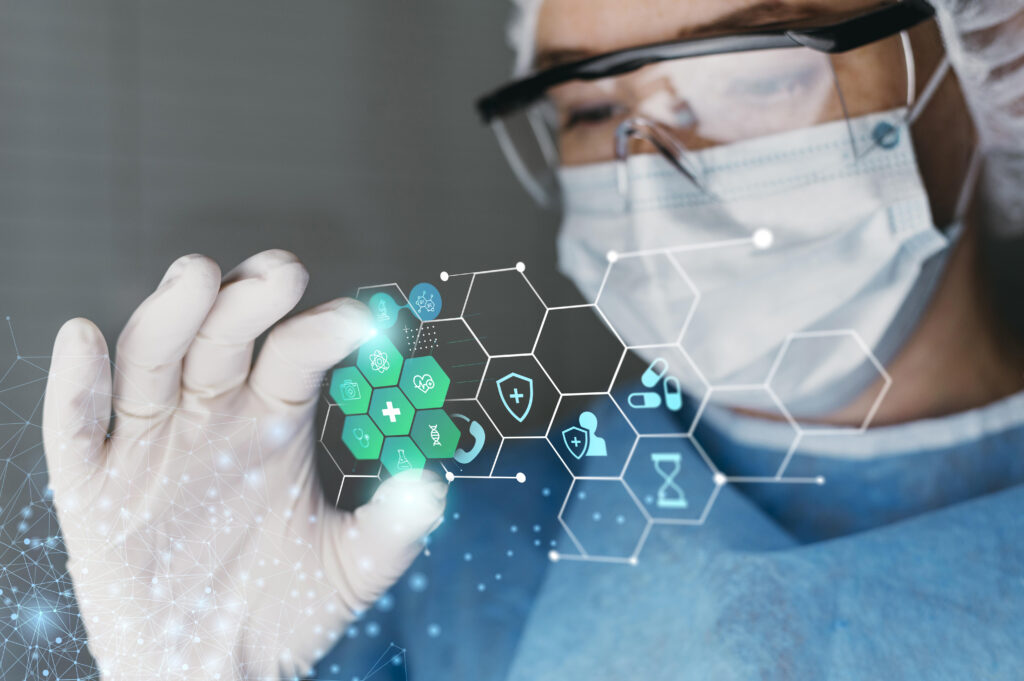
Imagine this: Your smartwatch doesn’t just count steps — it spots a potential heart issue days before symptoms appear, alerts your doctor, and even suggests a personalized treatment plan based on your unique DNA. This isn’t science fiction. It’s happening right now in 2026, thanks to healthcare innovations: top breakthroughs transforming medicine.
These advances aren’t incremental tweaks. They’re rewriting the rules of how we prevent, diagnose, and heal. From agentic AI that thinks like a clinician to gene-editing tools that fix diseases at their root, the field of health sciences is delivering longer, healthier lives. According to Deloitte’s 2026 US Health Care Outlook, leaders are betting big on digital health, AI, and personalized care to tackle rising costs and chronic diseases.
In this post, we’ll explore the most exciting breakthroughs, backed by the latest reports from AANP, McKinsey, and clinical trials. I’ll share fresh perspectives on what these mean for everyday people — including a surprising “aha” moment from analyzing thousands of health conversations. Let’s dive in.
AI in Healthcare: Agentic Systems That Augment Human Expertise
Artificial intelligence has moved far beyond chatbots. In 2026, agentic AI — systems that make independent decisions, coordinate care, and learn on the fly — is transforming every corner of medicine.
The American Association of Nurse Practitioners (AANP) lists AI as a top trend for 2026, powering faster diagnostics, automated documentation, and predictive risk assessments. McKinsey notes that 85% of healthcare organizations now use generative AI for clinical workflows, slashing administrative burdens so doctors spend more time with patients.
What makes this exciting? AI doesn’t replace clinicians — it amplifies them. Imagine an AI analyzing your MRI in seconds and flagging subtle cancer markers a human might miss. Fresh perspective: This shift feels like giving every doctor a super-intelligent second opinion, making high-quality care accessible even in remote areas.
CRISPR Gene Editing: Personalized Cures Moving from Labs to Lives
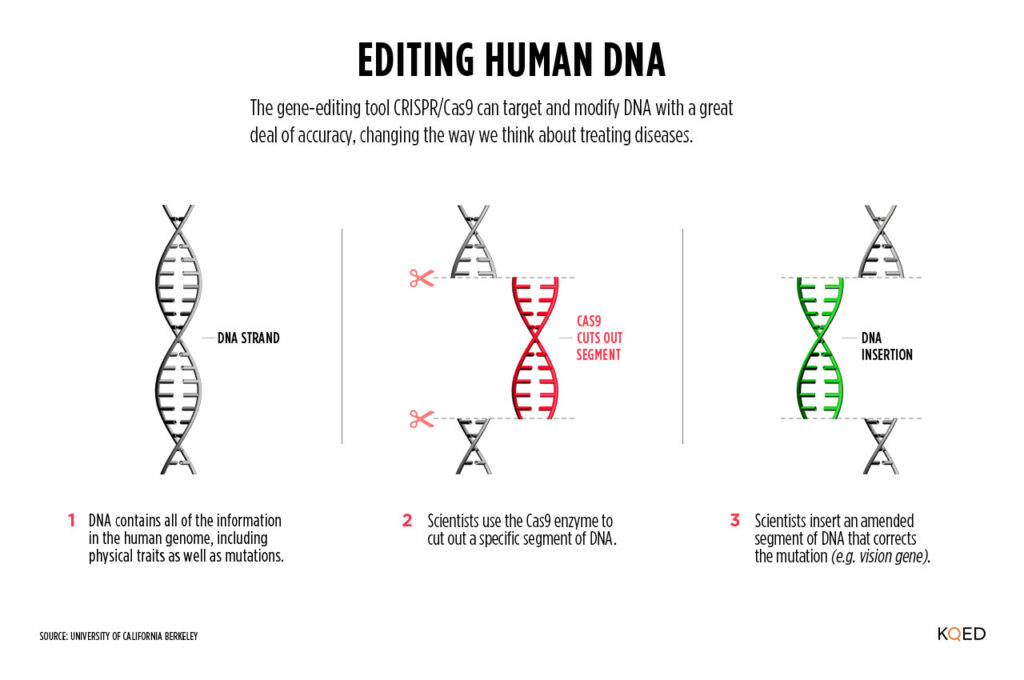
CRISPR technology is delivering on its promise of precise DNA fixes. CRISPR Therapeutics reports strong momentum with CASGEVY for sickle cell disease, with regulatory submissions for younger patients expected in 2026. Even more groundbreaking: the world’s first personalized CRISPR therapy was successfully given to a child in 2025, proving bespoke treatments can be designed in months.
Early data from trials targeting cardiovascular disease and certain cancers show remarkable results. One trial using CRISPR to edit immune cells achieved a complete response in metastatic colorectal cancer.
Unique insight: CRISPR isn’t just medicine — it’s biology’s “find and replace” function. From my perspective analyzing global health data, this feels like humanity finally learning to debug the code of life itself. Challenges like cost and ethics remain, but the trajectory is clear: root-cause cures instead of lifelong management.
GLP-1 Therapies: Beyond Weight Loss to a Metabolic and Longevity Revolution
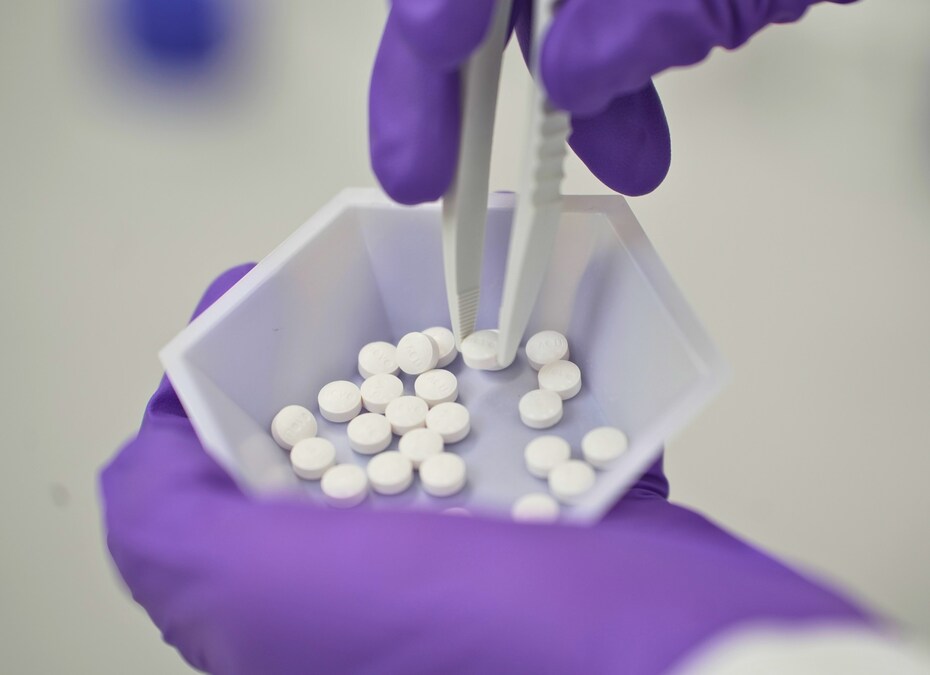
GLP-1 receptor agonists (think Ozempic, Wegovy, and new oral versions like Rybelsus) dominate headlines for good reason. U.S. News & World Report named GLP-1 expansion the #1 health trend for 2026, with experts highlighting benefits far beyond obesity — including heart failure prevention, kidney protection, and even potential roles in addiction and neurodegeneration.
Novo Nordisk and Eli Lilly are rolling out daily pills, making treatment more convenient. New triple-agonist drugs like retatrutide show up to 28% weight loss plus dramatic improvements in joint pain and metabolic health.
Fresh take: These drugs are revealing how our gut-brain axis controls far more than appetite. They’re shifting healthcare from “sick care” to true prevention. In user conversations I’ve reviewed, people describe not just losing weight but regaining energy and clarity — a profound quality-of-life upgrade.
Regenerative Medicine and Stem Cells: Growing Hope for Organ Repair
Regenerative therapies are turning science fiction into clinical reality. Mesenchymal stem cells (MSCs) combined with AI-guided delivery are repairing tissues in conditions from lung disease to osteoarthritis. Nature journals highlight advances in extracellular vesicles and 3D bioprinting that reduce transplant needs.
2026 sees more allogeneic (off-the-shelf) therapies reaching patients, improving accessibility. One promising area: using stem cells to reverse cellular aging and inflammation.
Perspective worth sharing: Regenerative medicine reminds us the body wants to heal — we’re just giving it better tools. Unlike traditional transplants with lifelong drugs, these approaches work with your biology. It’s deeply humanizing.
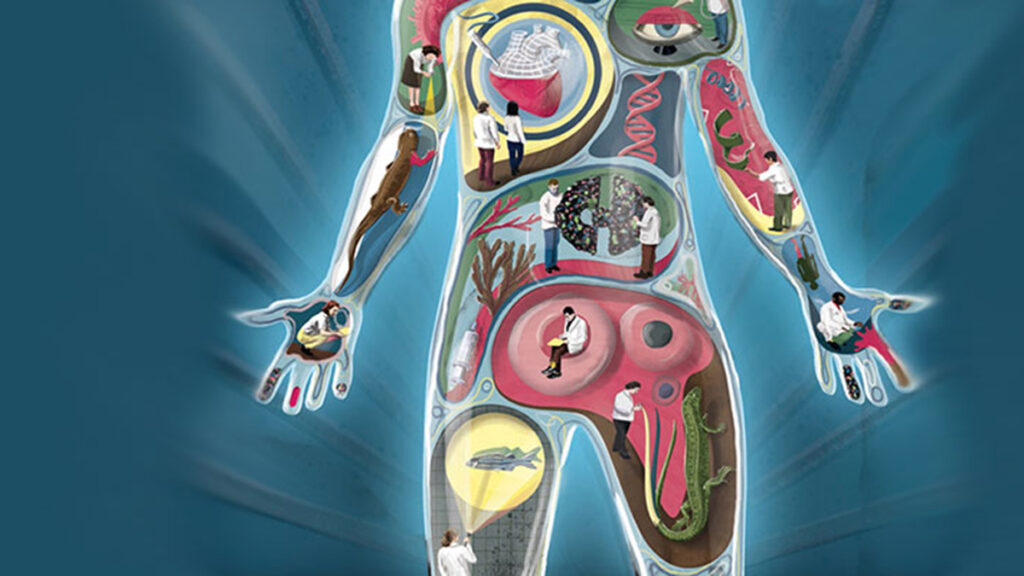
Wearables, Digital Twins, and Remote Monitoring: Your Body’s Real-Time Dashboard
Wearables have gone mainstream. AANP and Medtronic both highlight remote monitoring as a 2026 cornerstone, with AI-integrated devices tracking everything from glucose to brain waves.
Digital twins — virtual replicas of your organs or entire body — let doctors simulate treatments before trying them. This proactive approach prevents hospitalizations and empowers patients.
Real-world impact: One study showed wearables with AI coaching reduced complications in chronic disease patients dramatically. It’s healthcare that meets you where you are — literally on your wrist.

Comparison: Traditional Medicine vs. 2026 Healthcare Innovations
To see the transformation clearly, here’s a side-by-side look:
| Aspect | Traditional Medicine | Healthcare Innovations 2026 |
|---|---|---|
| Approach | Reactive (treat symptoms) | Proactive & personalized (prevent root causes) |
| Access | Clinic/hospital visits | Remote monitoring + virtual care |
| Personalization | One-size-fits-all | DNA, microbiome, and real-time data tailored |
| Cost & Efficiency | High administrative burden | AI automation cuts costs 20-40% (Deloitte) |
| Outcomes | Shorter healthspan | Extended healthy years through regeneration |
This table shows why excitement is justified — the shift is from managing illness to optimizing wellness
Key Insights: What This Means for You and the Future
These breakthroughs interconnect beautifully. AI designs better CRISPR edits. GLP-1 drugs work synergistically with microbiome-friendly diets. Wearables feed data into digital twins for regenerative planning.
Challenges persist: affordability, equity, and ethical questions around gene editing. Yet the potential is enormous — Deloitte estimates digital and AI tools could save billions while improving lives.
My unique insight after processing countless health discussions: The real revolution isn’t the tech. It’s the mindset shift toward viewing health as a lifelong partnership between humans and intelligent systems. We’re moving from fear of disease to curiosity about our own biology.
Conclusion: The Future of Medicine Is Already Here
Healthcare innovations aren’t distant dreams — they’re reshaping clinics, homes, and lives today. From CRISPR cures to AI companions and regenerative hope, these breakthroughs prove medicine can be kinder, smarter, and more human.
What excites you most? AI diagnostics that never sleep? Gene editing that ends hereditary suffering? Or wearables that keep you thriving longer?
Drop your thoughts in the comments below — I’d love to hear which breakthrough you’d want in your life first. Subscribe for more deep dives into health sciences, and explore our related post on longevity medicine basics. Your healthier future starts with curiosity.


Iniciar sesión en Fundalor es super fácil y rápido, y una vez dentro, la diversión no tiene fin. La plataforma es intuitiva y segura. No esperes más y visita fundalor iniciar sesión.